Artificial Intelligence (AI) Is Affecting Children:
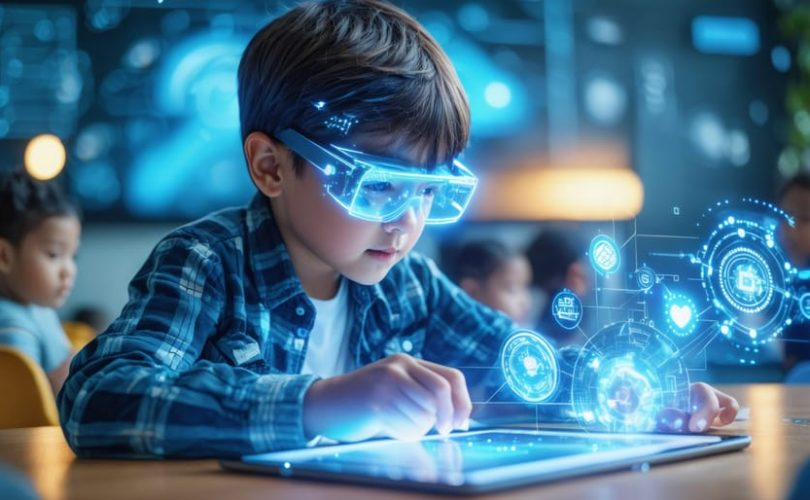
Artificial Intelligence (AI) is no longer limited to research labs or big tech companies. Today, AI is deeply woven into everyday life—especially for children. From smart toys and voice assistants to personalized learning apps and AI-powered homework tools, kids are growing up in a world where intelligent machines are always present.
At AiGadgetX, we closely track how AI gadgets and future technologies impact real people. In this detailed guide, we explore how AI is affecting children in 2026, covering benefits, risks, real-world use cases, AI gadgets for kids, and smart parenting strategies for the digital age.
What Is Artificial Intelligence (AI)?
Artificial Intelligence refers to computer systems designed to perform tasks that usually require human intelligence. These tasks include learning from data, recognizing speech and images, understanding language, making predictions, and generating content such as text, images, audio, and videos.
AI systems work by processing massive amounts of data and identifying patterns using technologies like machine learning and neural networks. Unlike humans, AI does not have emotions, awareness, or real understanding—it simply follows algorithms to produce outputs.
While AI research began decades ago, recent advances in computing power, cloud technology, and big data have made AI tools widely accessible, including to children.
How Children Encounter AI in Everyday Life
Many parents underestimate how often their children interact with AI. Even when kids are not intentionally using AI tools, AI operates behind the scenes in many platforms and devices.
Common examples include:
- Smart speakers and voice assistants
- AI-powered educational apps and online tutors
- Personalized video recommendations on YouTube and streaming apps
- Online games that adapt difficulty using AI
- AI filters and image tools on social media
- Smartwatches and fitness trackers
- Learning management systems used in schools
AI is quietly shaping what children see, learn, watch, and interact with every day.
Generative AI and Children’s Education
One of the biggest developments in recent years is generative AI—technology that can create new content rather than just analyze existing data.
How Students Use Generative AI
- Writing essays and assignments
- Summarizing textbooks and notes
- Creating presentations and charts
- Generating images, videos, and animations
- Improving grammar and sentence structure
For older students, generative AI can act as a study assistant. However, it also raises concerns about plagiarism, academic honesty, and over-dependence.
Schools are still adapting to this change, which makes parental guidance extremely important.
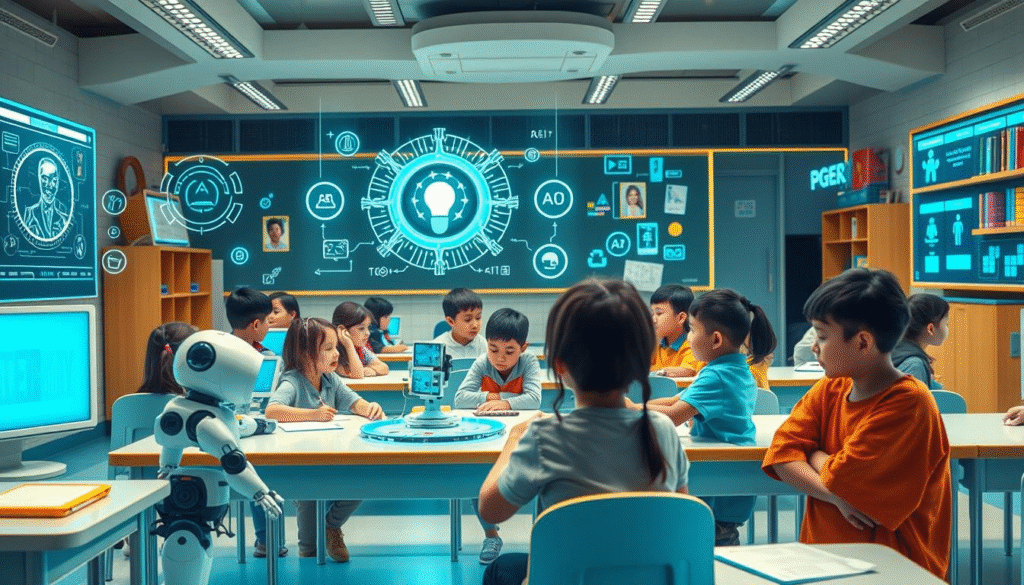
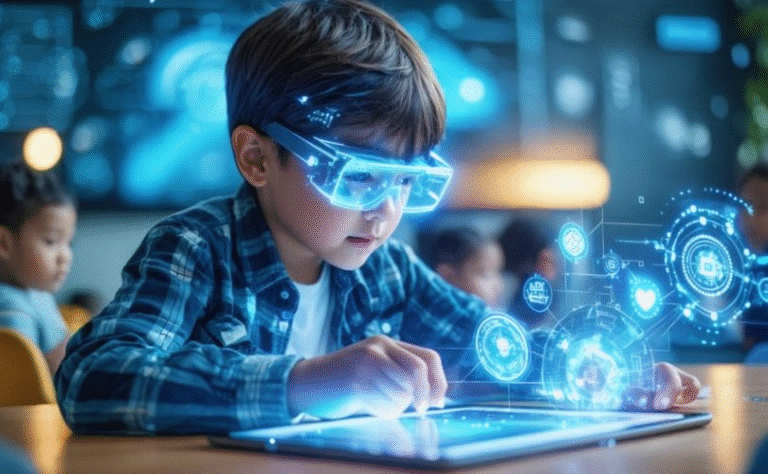
AI impact on children using safe AI gadgets for learning and creativity
Benefits of Artificial Intelligence for Children
When used responsibly, AI can offer powerful advantages for learning and development.
Personalized Learning Experiences
AI can adjust lessons based on a child’s pace, strengths, and weaknesses. This helps struggling learners receive extra support while allowing advanced students to move ahead faster.
Support for Children With Disabilities
AI-powered tools such as speech-to-text, text-to-speech, and visual recognition help children with learning disabilities, hearing impairments, or vision challenges participate more fully in education.
Boosting Creativity
AI tools allow children to create digital art, animations, graphs, music, and videos without advanced technical skills. This opens new creative opportunities for self-expression.
Developing Future-Ready Skills
Early exposure to AI helps children build digital literacy, problem-solving ability, and critical thinking—skills essential for future careers.
Increased Engagement and Motivation
Interactive AI platforms can make learning more engaging and enjoyable, encouraging curiosity and confidence.
Risks and Challenges of AI for Kids
Despite its benefits, AI also introduces serious risks that parents must understand.
Privacy and Data Collection
Many AI gadgets and apps collect personal data such as voice recordings, photos, location data, and usage behavior. Children may unknowingly share sensitive information that can be stored or shared with third parties.
Misinformation and Bias
AI systems learn from internet data, which includes false information and biased viewpoints. As a result, AI-generated content may be inaccurate or misleading.
Over-Reliance on AI
When children rely too heavily on AI for homework or thinking tasks, it can weaken creativity, independent thinking, and problem-solving skills.
Exposure to Inappropriate Content
Without strong filters, AI tools may expose children to content that is unsuitable for their age.
Cyberbullying and Deepfakes
Generative AI can be misused to create fake images, videos, or voice recordings. These deepfakes have been used for bullying, harassment, scams, and blackmail—especially among teenagers.
AI Gadgets for Kids: What Parents Should Know
AI-powered gadgets are increasingly marketed toward families. While some are educational and safe, others raise serious concerns.
AI Gadgets That Require Caution
- Always-listening smart toys
- AI chatbots without child safety controls
- Facial-recognition cameras inside bedrooms
- Apps requesting unnecessary permissions
Parents should choose privacy-first AI gadgets with transparent data policies and strong parental controls.
At AiGadgetX, we recommend researching:
- What data the gadget collects
- Where the data is stored
- Whether data is shared with third parties
- If parents can delete stored data
AI Laws and Child Protection
Globally, AI regulation has not kept pace with innovation.
- The Children’s Online Privacy Protection Act (COPPA) protects children under 13 but is often poorly enforced
- Proposed online safety laws focus mainly on social media
- Many countries lack AI-specific child protection regulations
Until stronger laws are introduced, parents and schools play the most important role in protecting children.
Smart Parenting Tips for the AI Age
AI is here to stay, so banning it is unrealistic. The goal is responsible guidance.
Talk Openly About AI
Explain AI in age-appropriate language. Help children understand that AI tools are not people and should not replace real relationships.
Teach Privacy Awareness
Encourage children not to share personal details such as full names, addresses, school names, or photos with AI tools.
Use AI Together
Explore AI apps as a family. This helps parents understand how the technology works and opens space for discussion.
Encourage Critical Thinking
Teach children to question AI-generated information. Ask where it comes from and whether it can be trusted.
Discuss Ethics and Plagiarism
Explain that AI can help generate ideas, but copying content without understanding or credit is dishonest.
Balance Screen Time
Ensure AI use does not replace outdoor play, creativity, and human interaction.
The Future of AI and Childhood
AI will continue to shape education, healthcare, entertainment, and communication. The real challenge is ensuring children benefit from AI without sacrificing privacy, safety, or emotional development.
Responsible AI design, informed parents, ethical education systems, and stronger regulations will determine how AI affects future generations.
Final Thoughts from AiGadgetX
Artificial Intelligence is reshaping childhood in powerful ways. The goal is not to fear AI, but to understand it and guide its use wisely.
At AiGadgetX.com, we focus on reviewing and explaining AI gadgets that are innovative, ethical, and family-friendly. By staying informed, parents can help children use AI as a tool for growth—not dependence.
👉 Follow AiGadgetX for honest AI gadget reviews, future tech insights, and smart digital parenting guides.
Frequently Asked Questions (FAQs)
What is the impact of AI on children?
The impact of AI on children is both positive and challenging. AI improves personalized learning, creativity, and accessibility, but it also raises concerns about privacy, screen dependency, and misinformation. Parental guidance is essential to ensure safe use.
Are AI gadgets safe for kids?
AI gadgets for kids can be safe if they include strong privacy controls, limited data collection, and parental supervision. Parents should avoid always-listening devices and choose child-friendly AI gadgets with transparent data policies.
Is artificial intelligence safe for children?
Artificial intelligence can be safe for children when used responsibly. Teaching kids about online privacy, critical thinking, and ethical AI use helps reduce risks such as misinformation, cyberbullying, and over-reliance on technology.
How does AI affect families?
Artificial intelligence affects families by changing how children learn, play, and communicate. While AI can support education and creativity, families must work together to manage screen time, privacy, and healthy technology habits.
What is the future of technology for kids?
The future technology for kids will include AI-powered education, smart learning tools, adaptive games, and personalized health tracking. Success depends on ethical design, strong regulations, and informed parenting.
🧠 Internal Linking Suggestions (AiGadgetX SEO Boost)
Link this article to:
- Best AI Gadgets for Kids in 2026
- Are AI Chatbots Safe for Children?
- AI Smart Toys: Benefits and Privacy Risks
- Future AI Technology Trends to Watch
AI Impact on Children
Artificial Intelligence is reshaping how children learn, play, and communicate. The AI impact on children can be seen in personalized education, interactive entertainment, and smarter digital tools. AI helps children learn faster by adapting content to their abilities, but it can also influence attention span, social skills, and critical thinking.
Without proper guidance, children may rely too heavily on AI for answers instead of developing independent thinking. Parents and educators must help children understand that AI is a tool—not a replacement for human intelligence or creativity.
AI Gadgets for Kids
AI gadgets for kids include smart toys, learning tablets, voice assistants, educational robots, and wearable devices. These gadgets use artificial intelligence to respond to voice commands, adapt learning content, and engage children interactively.
While AI gadgets can boost learning and creativity, parents should choose products with strong privacy controls and age-appropriate features. The best AI gadgets for kids focus on education, safety, and limited data collection rather than constant monitoring.
Artificial Intelligence and Families
Artificial intelligence and families are becoming closely connected through smart homes, AI assistants, and digital learning platforms. AI can help families manage schedules, support children’s education, and improve accessibility for kids with special needs.
However, families must work together to set boundaries for screen time, data sharing, and device usage. Open discussions about how AI works help children build healthy and responsible digital habits at home.
Is AI Safe for Children?
Is AI safe for children? The answer depends on how it is used. AI can be safe when platforms follow strict privacy rules, limit data collection, and include parental controls. Risks arise when children share personal information or trust AI-generated content without question.
Parents should monitor AI usage, review privacy settings, and teach children not to share personal details with AI tools. With proper supervision, AI can be a safe and valuable learning assistant.
Future Technology for Kids
Future technology for kids will heavily involve artificial intelligence, smart learning systems, and adaptive digital experiences. AI-powered education, virtual tutors, intelligent games, and personalized learning platforms will become more common.
The future of technology for kids should focus on ethical AI, creativity, emotional development, and safety. When combined with strong parenting and smart regulation, future AI technology can empower children to become skilled, responsible digital citizens.
About the Author