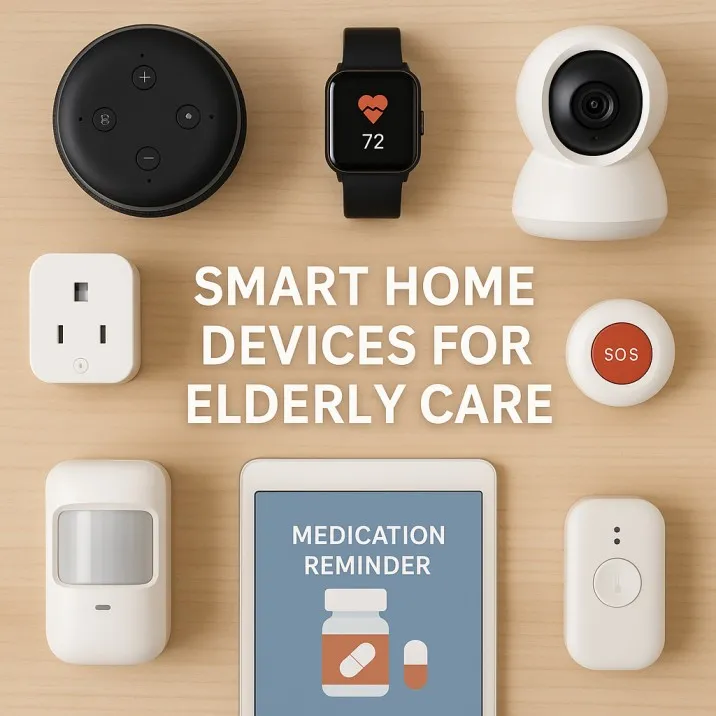
AI Fall Detection Devices: How They Work and the Best Options for Elderly Fall Prevention in 2026
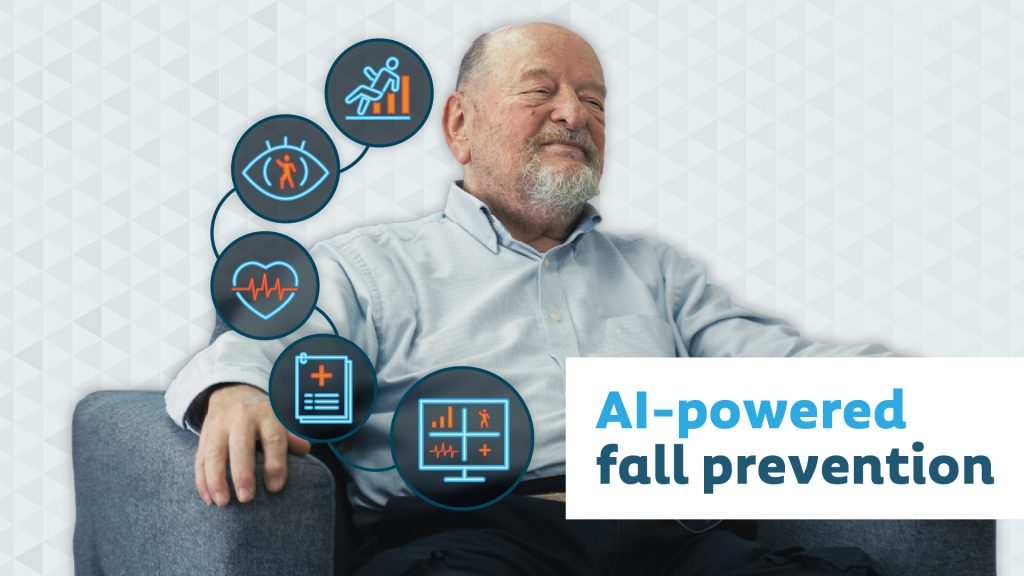
What Are AI Fall Detection Devices?
AI fall detection devices are smart safety systems that use sensors, artificial intelligence, and machine learning algorithms to automatically detect when an elderly person falls and instantly send alerts to caregivers or emergency contacts. Unlike traditional medical alert systems, they can detect falls without pressing a button, making them ideal for seniors living alone.
In an increasingly aging population, falls remain a leading cause of injury among seniors, with the World Health Organization reporting over 37 million severe falls annually for those 65 and older.
These incidents not only result in fractures, traumatic brain injuries, and fatalities but also erode independence and inflate healthcare costs. Fortunately, AI fall detection devices are emerging as a game-changer in elderly fall prevention, using advanced fall detection technology to monitor movements, predict risks, and trigger immediate alerts. From wearable fall detection devices to vision-based fall detection systems, these innovations empower seniors to live safely at home while giving caregivers peace of mind.
This in-depth guide explores how AI fall detection works, breaks down the types of fall detection systems, highlights the best fall detection devices for seniors, and examines real-world benefits.
If you’re searching for machine learning fall detection solutions or IoT fall detection options, read on to discover how these technologies are revolutionizing fall prevention for the elderly and boosting SEO-friendly safety in 2026.
Understanding AI Fall Detection Devices: A Primer on Fall Detection Technology
AI fall detection devices are intelligent tools engineered to recognize falls instantly and respond accordingly, far surpassing traditional medical alert systems with fall detection.
These systems incorporate artificial intelligence in fall detection to differentiate true falls from routine activities, reducing false alarms and enhancing reliability.
Available as wearable sensors for fall detection, ambient radar units, or computer vision fall detection cameras, they cater to diverse needs in home care, assisted living, and hospitals.
The core appeal? Many falls happen unseen, especially overnight, leading to “long-lie” scenarios that worsen outcomes. Smart fall detection devices bridge this gap, enabling elderly fall detection that’s proactive and privacy-conscious, ultimately supporting aging in place and cutting institutional care reliance.
How Do AI Fall Detection Devices Work?
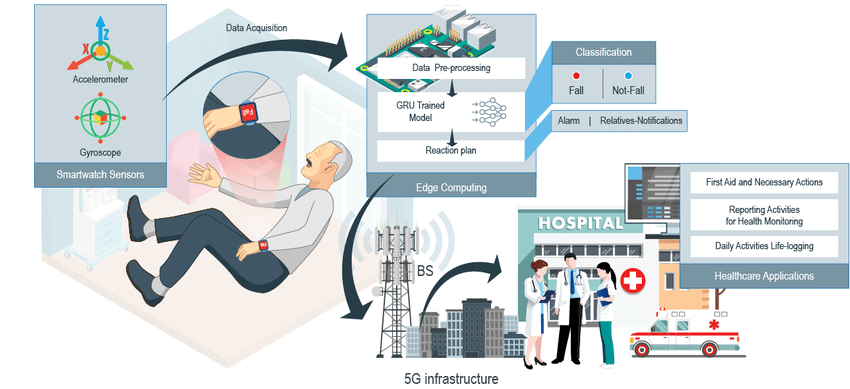
AI fall detection devices work in three main steps:
- Motion Detection: Sensors like accelerometers, gyroscopes, cameras, or radar detect sudden movements or impacts.
- AI Analysis: Machine learning algorithms analyze motion patterns to distinguish real falls from daily activities like sitting or lying down.
- Instant Alert: If a fall is confirmed, alerts are automatically sent via mobile app, SMS, or emergency call with location details.
How Does AI Fall Detection Work? The Step-by-Step Breakdown
At its essence, how AI fall detection works involves a seamless trio of data gathering, intelligent processing, and rapid notification. This fall detection algorithm pipeline operates in milliseconds, leveraging deep learning for fall detection to achieve near-perfect accuracy.
Step 1: Sensing the Action – Sensors in Fall Detection Systems
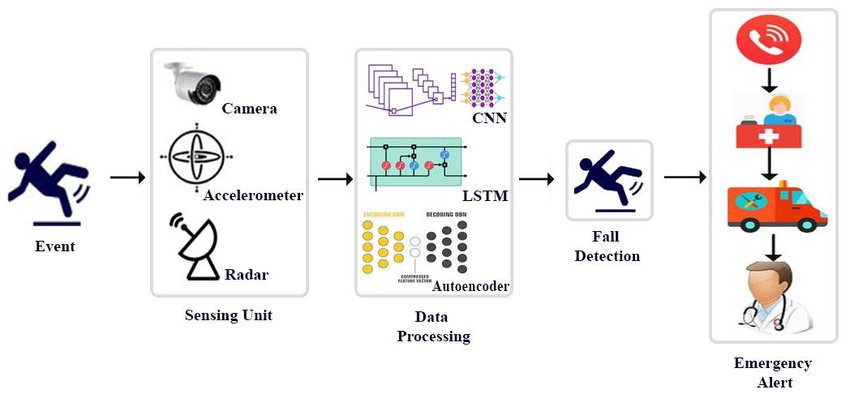
Fall detection sensors form the foundation, capturing nuanced body dynamics. Key components include:
- Accelerometers and Gyroscopes: These inertial measurement units (IMUs) detect sudden accelerations (>3g) indicative of impacts and rotational shifts during tumbles. Waist-mounted wearable fall detection sensors excel here, aligning with the body’s center of gravity for precise gait analysis in fall detection.
- Additional Biometrics: Pulse oximeters track heart rate spikes post-fall, while GPS pins locations. For non-wearable setups, radar fall detection uses microwave signals to monitor without intrusion.
- Camera-Based Inputs: Depth cameras like LiDAR feed into video fall detection, analyzing posture via skeletal tracking.
Noise reduction via Kalman filters ensures clean data, vital for real-time fall detection in dynamic environments.
Step 2: The AI Magic – Machine Learning Algorithms for Accurate Detection
This is where machine learning fall detection shines, employing neural networks for fall detection to classify events. Algorithms train on datasets like SisFall or MobiFall, learning to spot fall signatures: vertical drops, horizontal immobility, and head-tilt anomalies.
- Threshold and Rule-Based Hybrids: Basic checks flag extremes, refined by support vector machines (SVM) in fall detection for 95%+ precision.
- Advanced Deep Learning: Convolutional neural networks (CNNs) treat sensor data as “images,” hitting 98.98% sensitivity. Recurrent neural networks (RNNs) handle time-series for predictive fall risk assessment using AI.
- Vision AI Integration: Pose estimation models like OpenPose identify falls in camera-based fall detection systems, contextualizing slips (e.g., on rugs) with 99% accuracy in low-light via infrared.
Edge computing processes this on-device, minimizing latency and upholding privacy in GDPR-compliant fall detection.
Step 3: Instant Alerts – From Detection to Response in Fall Prevention
Upon confirmation, automated fall detection alerts dispatch via apps, calls, or integrations with smart home fall detection. Details like location, vitals, and clips reach responders, often linking to EHRs for personalized fall prevention strategies.
Low-bandwidth protocols like LoRaWAN ensure connectivity, even in rural setups for remote elderly monitoring with fall detection.
Types of Fall Detection Devices: Finding the Best for Seniors
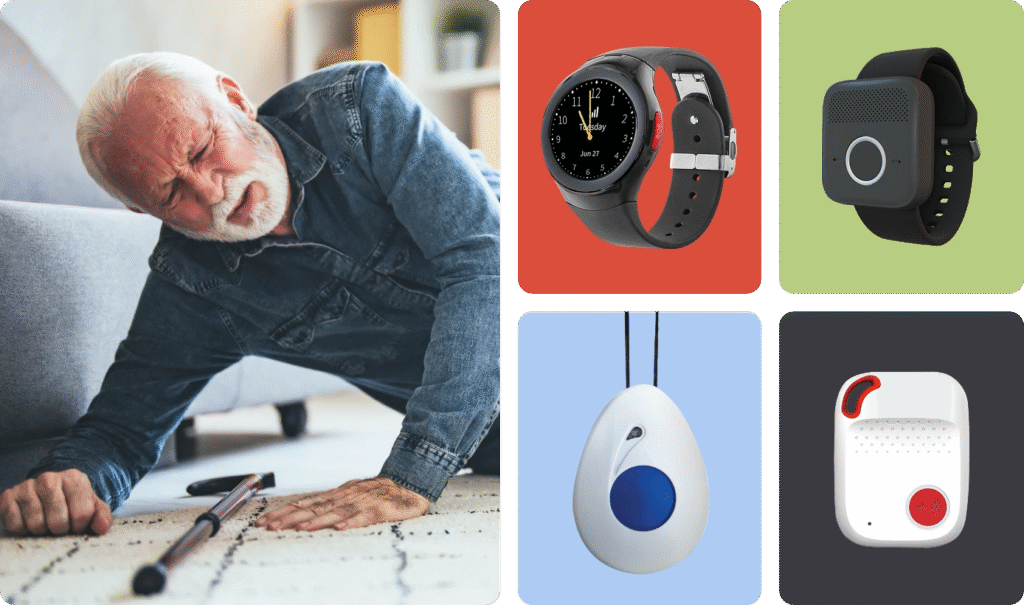
Navigating the best fall detection devices means matching tech to lifestyle. Here’s a rundown of top fall detection technologies:
Wearable Fall Detection Devices: Portable Protection
Best wearable fall detection devices like Apple Watch Series 10 or Lively Mobile2 use wrist-based IMUs with AI-powered fall detection algorithms. Subscriptions (~$30/month) include 24/7 monitoring. Strengths: Discreet, GPS-enabled. Ideal for active seniors; accuracy nears 97% in daily activity fall detection.
Vision-Based Fall Detection Systems: Hands-Free Monitoring
Vision-based fall detection via ceiling cams (e.g., Amazon Astro with custom AI) tracks without wearables, using edge AI for privacy-preserving fall detection. Best camera fall detection systems boast one false alarm per two years, perfect for dementia care.
Ambient and Radar Fall Detection: Seamless Home Integration
Radar-based fall detection devices from Origin Wireless use Wi-Fi signals for non-invasive elderly fall detection, predicting risks via gait instability analysis. Trials show 80% fall reductions, making them top ambient fall prevention tech.
Hybrid Fall Detection Solutions: The Ultimate Combo
IoT-integrated fall detection systems blend wearables with sensors for 99% reliability, syncing with Alexa for post-fall aids like unlocking doors.
| Type | Best For | Accuracy | Cost Range |
|---|---|---|---|
| Wearable | Active Seniors | 95-98% | $200+ device + $25/mo |
| Vision-Based | Indoor Safety | 99% | $300-1,000 install |
| Ambient Radar | Privacy-Focused | 97% | $150-500/unit |
| Hybrid | Comprehensive Care | 99%+ | $500+ setup |
Powering the Future: Key Technologies in AI Fall Detection
Deep learning fall detection relies on triaxial sensors, LSTM networks for sequential fall prediction, and federated learning for bias-free models. Explainable AI in fall detection demystifies decisions, building trust.
Benefits of AI Fall Detection Devices for Elderly Care
Adopting the best AI fall detection for seniors yields:
- Faster Help: Seconds-to-alert cuts complications by 40%.
- Superior Accuracy: ML-driven fall detection slashes false positives, per 2025 studies.
- Empowered Independence: Extends home stays by 4+ years.
- Economic Wins: 50% cost savings via fewer ER trips, adding $87K/facility revenue.
Case Studies: Real Impact of Fall Detection Technology
SafelyYou’s AI fall prevention system detected 99% of falls in U.S. facilities, extending resident stays. At Bristal, sensor-based fall detection dropped incidents 40% for users like Kathy. VirtuSense achieved 80% reductions in Florida communities.
Overcoming Challenges and 2026 Trends in Fall Detection
Issues like battery life in wearable devices for fall detection persist, but 2026 brings 5G-enhanced real-time fall detection and multimodal AI fusing audio for 95% boosts. Expect 70% adoption in senior homes.
Wrapping Up: Choose the Best Fall Detection Devices Today
AI fall detection devices aren’t just tech—they’re lifelines for elderly fall prevention. By mastering how fall detection algorithms work and selecting from top-rated fall detection wearables, you can safeguard loved ones effectively. Explore best medical alert systems with AI fall detection like Medical Guardian—your key to secure, independent aging in 2026.
Frequently Asked Questions (FAQ)
1.Are AI fall detection devices accurate?
Yes. Modern AI fall detection devices achieve 95–99% accuracy by using machine learning algorithms that distinguish real falls from normal activities, significantly reducing false alerts.
2.Do fall detection devices work without internet?
Some wearable fall detection devices can send alerts via cellular networks. However, camera-based and smart home fall detection systems usually require Wi-Fi for full functionality.
3.Which fall detection device is best for elderly parents living alone?
An AI fall detection smart watch is the best option because it provides automatic detection, emergency SOS, health tracking, and location sharing both indoors and outdoors.
4.Are AI fall detection devices worth the cost?
Yes. They can save lives, reduce hospital visits, and allow seniors to live independently, making them far more cost-effective than emergency medical expenses.
About the Author