AI Impact on Children: Benefits, Risks, and How Parents Can Guide the Future
Discover how AI impacts children’s learning, behavior, and safety. Learn the benefits, risks, and how parents can guide children to use AI responsibly.
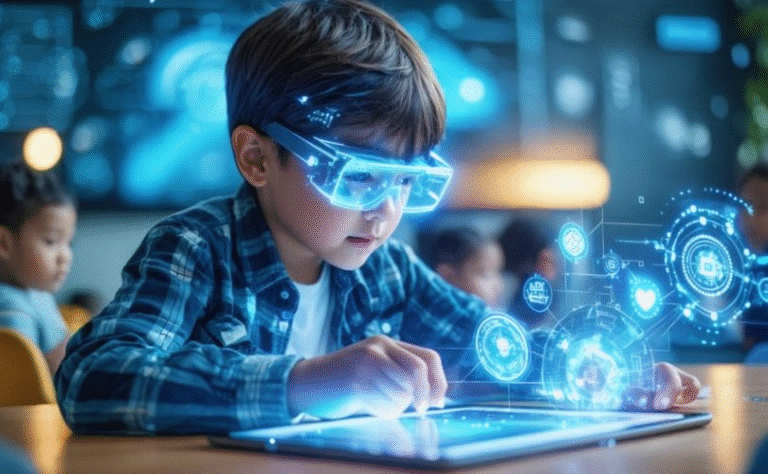
Artificial Intelligence (AI) is no longer a future concept—it is already part of children’s everyday lives. From voice assistants and learning apps to smart toys and recommendation algorithms, AI is quietly shaping how kids learn, play, and interact with the world.
While AI offers exciting opportunities for education and safety, it also raises serious concerns about screen time, privacy, and emotional development. Understanding the impact of AI on children is essential for parents who want to raise confident, healthy, and future-ready kids.
At AiGadgetX, we explore how AI affects children and how families can use technology responsibly.
How Children Interact With AI Today
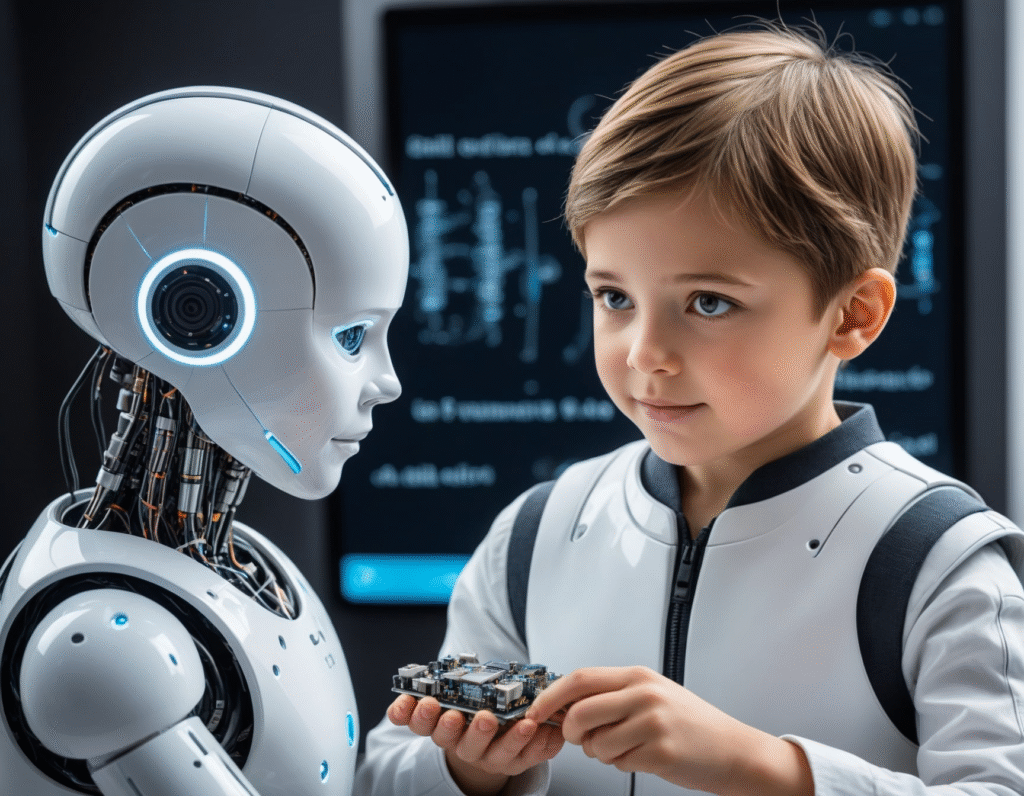
Children encounter AI more often than most parents realize. Common examples include:
- Voice assistants like Alexa and Google Assistant
- YouTube and streaming recommendations
- AI-powered educational apps
- Smart toys that talk, learn, and respond
- AI safety devices such as smart cameras and trackers
For kids, AI feels natural. They don’t see it as “technology”—they see it as part of daily life.
Positive Impact of AI on Children
When used correctly, AI can support children’s growth in powerful ways.
1. Personalized Learning Experiences
AI learning platforms adapt to a child’s pace and ability. Struggling students receive extra practice, while advanced learners get challenging content. This personalized approach helps children learn with less pressure and more confidence.
2. Improved Safety and Monitoring
AI-powered gadgets like smart baby monitors, GPS trackers, and home security systems help parents keep children safe. Features such as motion detection, facial recognition, and real-time alerts offer peace of mind—especially for working parents.
3. Support for Special Needs Children
AI tools are transforming support for children with learning disabilities, autism, or speech challenges. Speech recognition, emotion-tracking apps, and assistive AI devices help children communicate and learn more effectively.
4. Early Exposure to Future Skills
Children who grow up with AI develop digital literacy early. Understanding how smart systems work prepares them for future careers where AI skills will be essential.
Negative Effects and Risks of AI on Children
Despite its benefits, AI also brings real risks that parents must not ignore.
1. Increased Screen Time and Addiction
AI algorithms are designed to keep users engaged. For children, this can lead to excessive screen time, reduced physical activity, and difficulty focusing on offline tasks.
2. Reduced Human Interaction
Over-reliance on AI toys or digital assistants may limit real social interaction. Children need human conversations to develop empathy, emotional intelligence, and communication skills.
3. Privacy and Data Security Concerns
Many AI apps and smart toys collect data such as voice recordings, behavior patterns, and location. If not properly secured, this data can be misused or exposed.
4. Emotional Attachment to AI
Some children form emotional bonds with AI characters or robots. While this may seem harmless, it can blur the line between real relationships and artificial responses.

Safe and responsible use of AI technology for children
How Parents Can Use AI Responsibly
AI is not the enemy—uncontrolled use is. Parents play a crucial role in shaping how AI influences their children.
Set Clear Technology Boundaries
Create rules for screen time and device usage. Encourage offline play, reading, and family interaction.
Choose Child-Friendly AI Products
Select AI gadgets designed with child safety, privacy controls, and parental monitoring features.
Teach Children About AI
Explain that AI is a tool—not a human. Teaching kids how AI works helps them develop critical thinking and healthy boundaries.
Stay Involved
Regularly review apps, content, and AI devices your child uses. Parental involvement is more powerful than any software control.
The Future of AI and Children
AI will continue to evolve, and children growing up today will live in a world deeply connected to intelligent technology. The goal is not to keep children away from AI—but to guide them toward safe, ethical, and balanced use.
When parents combine awareness, education, and smart AI tools, technology can become a positive force that supports children’s learning, creativity, and safety.
Final Thoughts
AI can help children learn faster, stay safer, and prepare for the future—but only when used wisely. The real impact of AI on children depends on how parents, educators, and technology companies work together.
At AiGadgetX, we believe in family-friendly AI that enhances life without replacing human connection.
Frequently Asked Questions (FAQ)
1. How does AI affect children’s development?
AI can positively impact children by offering personalized learning, educational support, and safety features. However, excessive use may affect attention span, social skills, and emotional development. Balanced and guided use is essential for healthy growth.
2. Is artificial intelligence safe for children?
AI can be safe for children when parents choose child-friendly platforms with strong privacy controls. Parental monitoring, screen time limits, and age-appropriate content play a key role in ensuring safety.
3. What are the benefits of AI for children?
AI helps children through personalized education, smart learning apps, assistive tools for special needs, and safety devices like smart monitors and trackers. It also prepares children for future technology-driven careers.
4. What are the risks of AI use among children?
Major risks include increased screen time, reduced physical activity, privacy concerns, exposure to inappropriate content, and emotional dependency on AI devices. These risks increase when usage is uncontrolled.
5. Can AI negatively affect children’s behavior?
Yes, excessive interaction with AI can lead to reduced patience, lower social interaction, and dependency on digital responses. Children need real human interaction for emotional and social development.
6. How much AI or screen time is healthy for children?
There is no one-size-fits-all answer, but experts recommend limiting recreational screen time and encouraging breaks, outdoor activities, and family interaction. Quality of content matters more than quantity.
7. Should parents worry about AI collecting children’s data?
Yes. Many AI apps and smart toys collect voice data, behavior patterns, and location information. Parents should always review privacy policies and disable unnecessary data collection features.
8. How can parents control AI exposure for kids?
Parents can control AI exposure by setting screen time rules, using parental controls, choosing age-appropriate AI gadgets, and openly discussing technology use with their children.
9. Can AI help children with learning disabilities?
Yes. AI tools support children with autism, ADHD, speech delays, and learning difficulties through personalized learning, speech recognition, and adaptive exercises.
10. Will AI replace teachers or parents?
No. AI is a support tool, not a replacement. Teachers and parents provide emotional guidance, values, and human connection—things AI cannot replace.
11. What is the future of AI for children?
AI will become more integrated into education, safety, and entertainment. The future impact depends on how responsibly families, schools, and companies use and regulate AI technology.
12. Is AI good or bad for children?
AI is neither good nor bad by itself. Its impact on children depends on how it is used, monitored, and balanced with real-world experiences.
About the Author